

Melamine Formaldehyde Resin.
Hard, glossy, heat- and scratch-resistant chemistry for surfaces that take daily punishment and tableware that survives the dishwasher.
Clear pale amberC₃H₆N₆ + HCHO → MF condensate
Waiting for the clear point
Every melamine batch has one moment the operators watch for: the instant a white slurry turns into a clear resin.
-
01 / 04
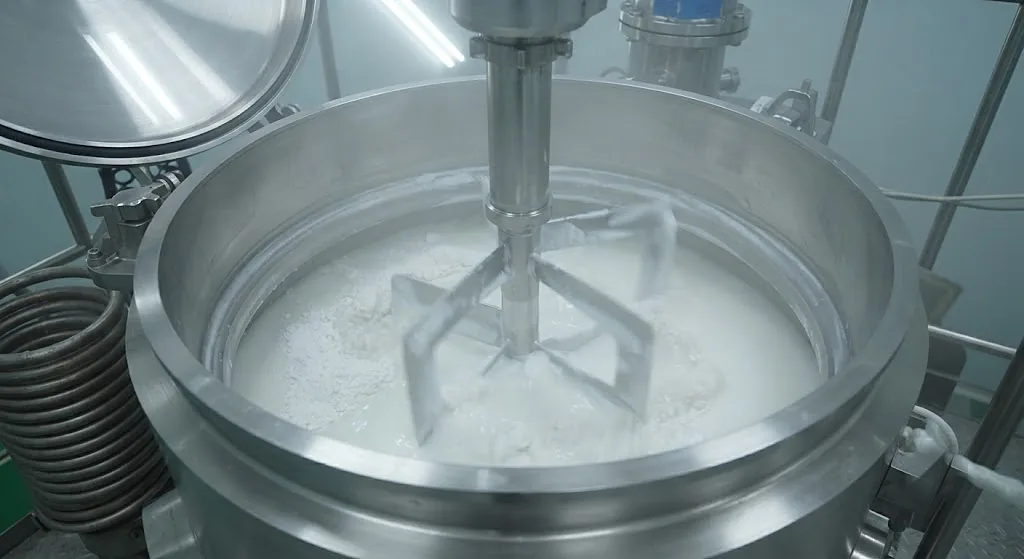
Opaque white slurry
Building the slurry
Formaldehyde goes into the reactor first, then crystalline melamine is fed in under agitation. The result is a thick, white, opaque slurry.

-
02 / 04
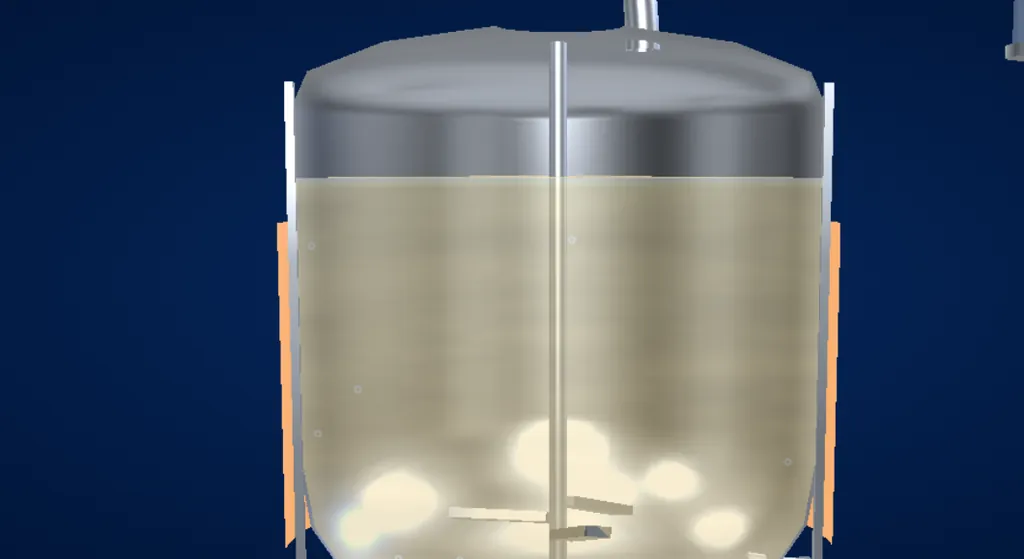
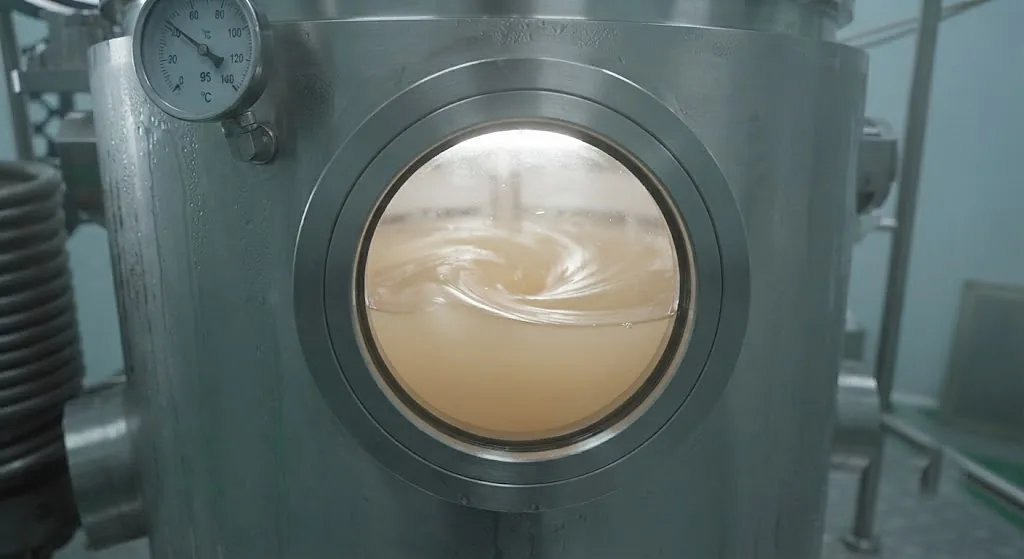
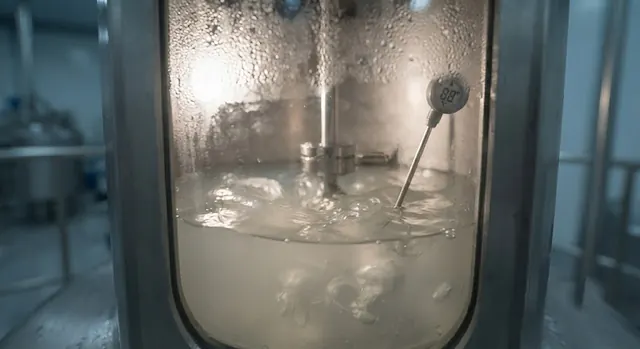
Clear, pale amber
The clear point
Steam in the jacket brings the batch up to temperature. As the melamine reacts it dissolves, and at the clear point the slurry turns into a clear, pale liquid. That is the sign the reaction is on track.
-
03 / 04
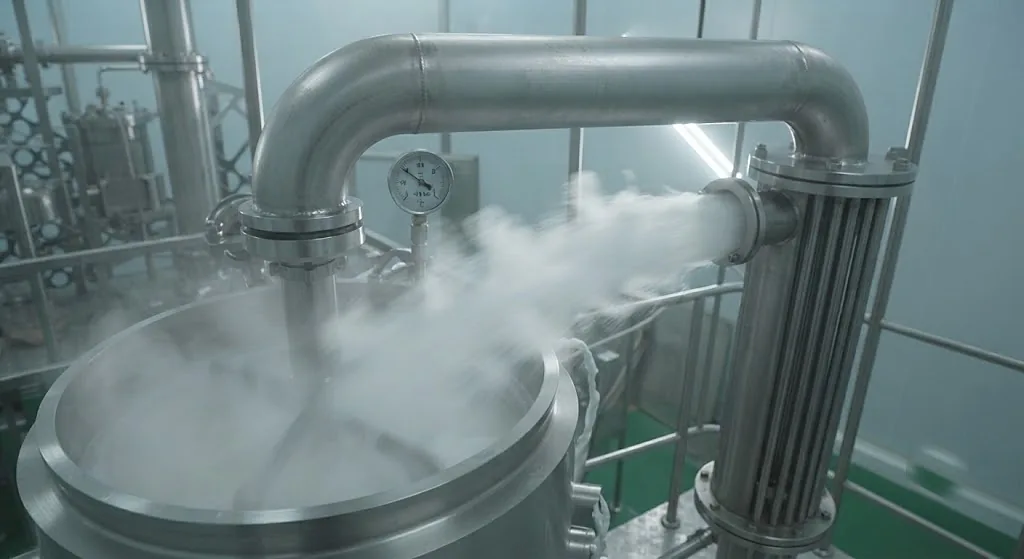
Concentrating
Vacuum concentration
Vacuum lowers the boiling point so water can be drawn off at a gentle temperature. The resin builds to its target chain length and solids without being cooked.

-
04 / 04
Crystal-clear resin
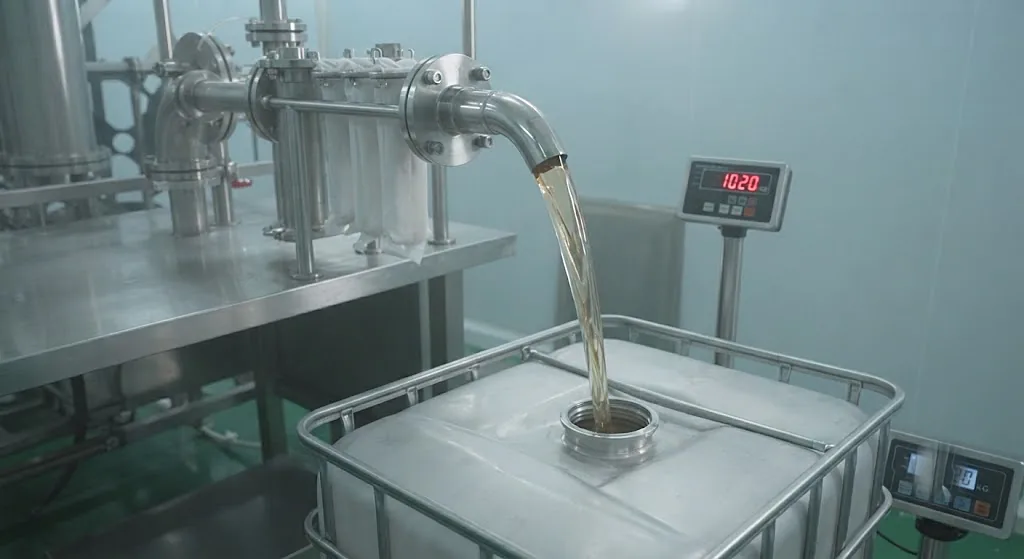
Cool, filter, fill
Cooling water replaces the steam to stop the reaction on specification. The resin is filtered to remove any micro-gels and filled into clean totes.

The same four stages, frame by frame
-
01 / 04
Opaque white slurry
Building the slurry
-
02 / 04
Clear, pale amber
The clear point
-
03 / 04
Concentrating
Vacuum concentration
-
04 / 04
Crystal-clear resin
Cool, filter, fill
Overview
Melamine formaldehyde resin brings surface hardness, heat resistance and water resistance beyond what urea systems can offer. It cures into a hard, transparent network that is prized in decorative laminates for countertops, furniture and flooring.
The same properties make our WP-MF series the material of choice for molded melamine tableware: light, break-resistant and dishwasher-safe. We supply impregnation grades for paper overlays and molding-compound grades, each tuned for flow, clarity and cure to the customer’s process.
Applications
| Appearance | Clear to slightly hazy liquid |
|---|---|
| Solid content | 52 ± 2 % |
| Viscosity (B4 cup, 30 °C) | 20 – 40 s |
| pH at 30 °C | 8.8 – 9.6 |
| Specific gravity at 30 °C | 1.22 – 1.24 |
| Water tolerance | 1 : 2.5 – 1 : 3.5 |
| Free formaldehyde | ≤ 0.8 % |
| Shelf life at 30 °C | 15 days |
Typical values, not a sales specification. A certificate of analysis accompanies every consignment; parameters are tailored to order.
Packaging & storage
Supplied in HDPE barrels of 235 kg net; spray-dried powder grades available on request. Store cool and dry, away from direct sunlight, and use within the stated shelf life. Melamine resins advance faster than urea systems in warm storage.
Also from Westcoast
 UF
Wood adhesives
Urea Formaldehyde Resin
The bonding resin behind most interior-grade panels, with fast cure, steady gel time and good economy at volume.
Turns from clear to milky as the chains link up
View product PF
Exterior & structural
Phenol Formaldehyde Resin (Liquid)
Weather- and boil-resistant bonds for exterior-grade plywood, structural panels and industrial laminates.
Deepens from clear to dark amber as the chains grow
View product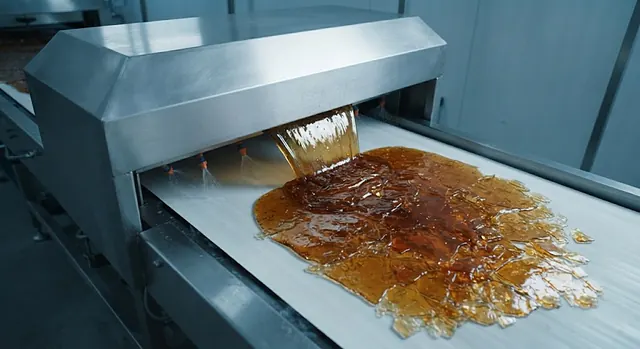 PFP
Molding, friction & abrasives
Phenol Formaldehyde Resin (Powder)
Free-flowing phenolic powder for molding compounds, brake linings, bonded abrasives and foundry work.
Liquid to amber glass to fine powder
View productTrial it on your line.
We supply sample quantities with full technical support. Send us your process conditions to begin.